Human Feces Cleanup
Disinfection accompanies human feces cleanup in public restrooms, homes and rental properties.
See human feces cleanupGet feces, urine, vomit, blood and other bodily fluids removed from a home, rental, care setting or workplace in Broadmoor Terrace. The affected area is cleaned, disinfected and checked before it is used again.
Bodily fluid cleanup is the safe removal of feces, urine, vomit, blood and other human waste, followed by cleaning, disinfection and odor treatment of the affected area.
Unlike routine housekeeping, this work accounts for fluid hidden in grout, unfinished wood, carpet pad, wall cavities or seams. Cleanup technicians inspect both the contamination and nearby areas. They safeguard clean rooms and evaluate which items can receive disinfection. When biohazard remediation is extensive, the process may extend to odor removal, containment, safe waste packaging and disposal.
Human feces cleanup, urine and feces cleanup, and vomit cleanup may be needed in a home, apartment, care setting, hotel, school, restroom or workplace. Bodily fluid cleaning services can address one recent spill or repeated contamination. The goal is to remove the source, use the right product for each surface and leave the space ready for its next use.
An insurance company assessing the event, along with managers and property owners, can receive organized photos, a defined work scope and available disposal records.
Items that can be cleaned, including keepsakes, are sorted away from disposable material. When circumstances permit, you are consulted about belongings before deciding to remove them.
Before work starts, find out how the cleaning process is planned to move forward, which areas are affected, and what may remain or need removal.
Daytime and nighttime calls receive an answer, and crews travel to the property in unmarked vehicles. Your situation is discussed calmly and only the necessary work area is opened.
When bodily fluid spreads across a large space, reaches porous material or presents a health concern beyond ordinary cleaning, professional cleanup is appropriate. Although each event differs, common situations include:
Fecal matter from limited mobility, illness or a toilet accident may affect nearby belongings, floors, walls and bedding, creating a need for professional human feces clean up.
Repeated accidents may soak carpet, mattresses, baseboards and subfloor, making feces and urine cleanup necessary for contamination and persistent odor.
Beyond the visible area, vomit, diarrhea and other liquids can reach nearby touch points, soft items and places your loved ones use.
Commercial feces cleanup in restrooms, stores, offices and shared buildings may require a controlled work area that protects staff and visitors.
Protect people first and avoid spreading material beyond the original spot. If this is an emergency response or law enforcement is involved, wait until the area is released to you. Take these steps while arranging a cleaning service:
Call (888) 440-9227Published guides list small blood or fluid cleanup at $500 to $2,500. One blood cleanup pricing guide publishes a broader span of $300 to $4,000. These are comparison ranges, not a set charge for every bodily fluid cleanup. The actual cost depends on the fluid, the size of the affected area, the surfaces involved, waste disposal and odor treatment.
The figures shown are national ranges from published cost guides and are not based on an on-site visit. The price for your property is set after the on-site assessment, and you hear it before work starts.
Ask about cost: (888) 440-9227Whether coverage applies depends on how the contamination occurred, along with policy limits, terms and your deductible. For work without immediate urgency, discuss biohazard cleanup with the insurance company before giving authorization.
Retain the scope of work, waste records, pictures, bills and claim number. Cleanup documents cannot assure payment because insurance companies make coverage decisions.
Victims of violent crime can ask the Louisiana Crime Victims Reparations Board, supported by the Louisiana Commission on Law Enforcement, about crime scene cleanup. The program lists it among eligible expenses. Insurance is usually checked first.
Managers and property owners may ask which records the adjuster needs and whether the building policy applies before damaged materials are taken out.
Your policy could pay for cleaning after a covered unexpected event, but insurers commonly view routine sanitation, upkeep and neglect differently. Confirm your own terms.
Bodily fluid cleanup follows a controlled remediation sequence, beginning with assessment and ending with a final check. The order helps keep contamination from moving into clean rooms. The steps change with the type of fluid, the materials reached and how far it traveled.
The cleanup team locates the source and affected areas, then notes porous materials, adjacent surfaces, sharps and hazardous materials needing added care.
Clean rooms are isolated from the work zone. Protective gear, including clothing, gloves and eye protection, is chosen to suit the exposure.
Solid waste and standing liquid are carefully lifted ahead of wet cleaning to reduce splashes and movement into surrounding areas.
When fluid soaks too deeply for full cleaning, damaged drywall, unfinished wood, carpet pad or soft furniture may require removal.
Cleaning comes first on retained surfaces, followed by an EPA-registered disinfectant left in place for the label's full contact time.
The team checks and cleans door knobs, fixtures, switches and surrounding surfaces wherever hands, equipment or shoes might have transferred material.
Waste that is thrown away is sealed and directed according to relevant rules. Odor treatment begins only after the contamination source is gone.
The work area is checked for remaining soil and odor. Photos, the work scope and disposal records can support insurance assistance or property records.

Call any hour. Your bodily fluid cleanup specialist answers the phone, describes what happens next and works with you on a start time.
Bodily fluids can be mixed with infectious material or contain germs. Porous surfaces may keep contamination hidden below what is visible.
Liquid may soak into carpeting, its padding, mattresses, unfinished wood and drywall. Contamination and smells may remain below after the top is wiped.
The consequences of contact may be greater for children, seniors and those with compromised immune systems. The affected area should remain off limits to them as an initial precaution.
Blood can carry hepatitis B, hepatitis C and HIV. The CDC says hepatitis B can survive on surfaces for at least seven days, so dried blood still requires care.
Can you clean it yourself? You may be able to address a limited recent spill on a solid non-porous surface by wearing disposable gloves, lifting material cautiously and keeping an EPA-registered disinfectant in place for the complete label contact time. Get professional cleanup when the source is unknown, blood is present, waste covers a wide area, sharp objects are involved or fluid entered carpet, wood, drywall or furniture.
Intact hard surfaces can frequently remain once cleaning and disinfection are complete. If bodily fluids penetrate inaccessible layers, absorbent materials may have to come out. Damage uncovered during removal can later be repaired by restoration services, including work on walls, floors or other building materials.
When employees could encounter blood or some other potentially infectious materials, the OSHA Bloodborne Pathogens Standard, 29 CFR 1910.1030, establishes workplace rules for training, protective equipment and exposure control.
The product label governs how an EPA-registered disinfectant must be applied. Completion of that step requires a wet surface for all of the contact time specified.
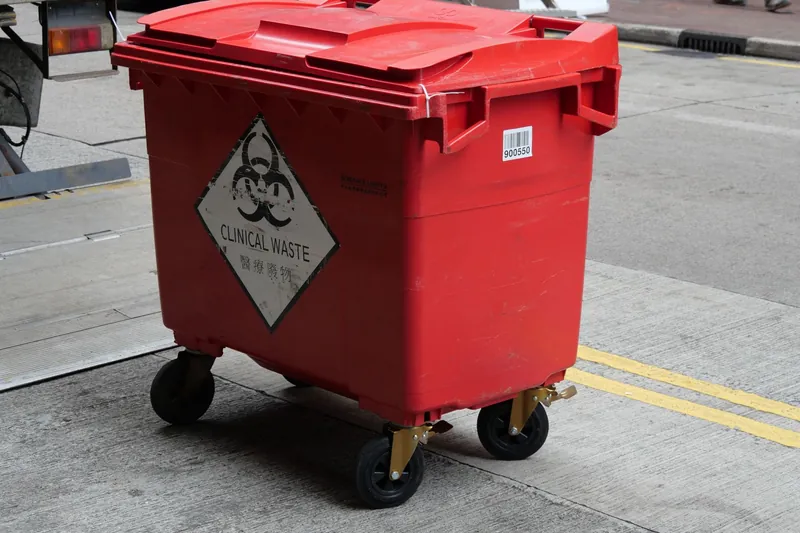
Louisiana treats soaked materials from a biohazard scene as potentially infectious biomedical waste. Louisiana Department of Health sanitary code rules control how it is packaged, stored and transported, so it cannot go in household trash.
Louisiana has no statewide medical examiner. Each parish has an elected coroner who investigates deaths involving violence, accidents or suspicious circumstances. Cleanup starts after police or the coroner release the scene.
The time depends on the size of the affected area, how deeply fluid soaked in and whether materials must be removed. A recent surface spill takes less work than repeated contamination across several rooms.
The full bodily fluid cleanup guide covers what is cleaned or removed, odor and air quality work, and the rules that apply in your state.
Read the full bodily fluid cleanup guidePlanning for access, containment and cleanup can depend on local population, housing and entry conditions.
Knowing that Ochsner Medical Center, Baton Rouge is about 2.5 miles away helps households plan where to seek care before arranging scene cleanup.
The location sits near South Broadmoor, Broadmoor Place, and North Broadmoor, making local landmarks helpful when a property entrance is hard to find.
A neighborhood address can differ from its broader city label, making the full street and unit information important for discreet cleanup access.
You can ask about cleanup in nearby communities and ZIP codes during the call.
Disinfection accompanies human feces cleanup in public restrooms, homes and rental properties.
See human feces cleanup
Vomit is cleaned and the area disinfected to stop the spread of norovirus and other germs.
See vomit cleanup
Blood cleanup clears blood from furniture, walls, hard floors and carpet, followed by safe disposal.
See blood cleanup
Large or small, every fresh or dried blood spill is covered by blood spill cleanup.
See blood spill cleanup
Blood cleanup controls exposure to HIV as well as hepatitis B and hepatitis C.
See bloodborne pathogen cleanup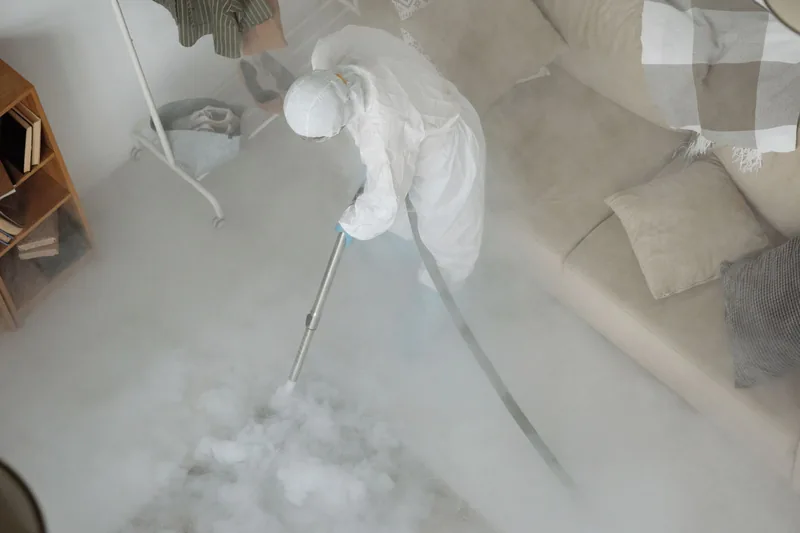
Rooms, surfaces and air receive complete decontamination following infectious or hazardous exposure.
See biohazard decontamination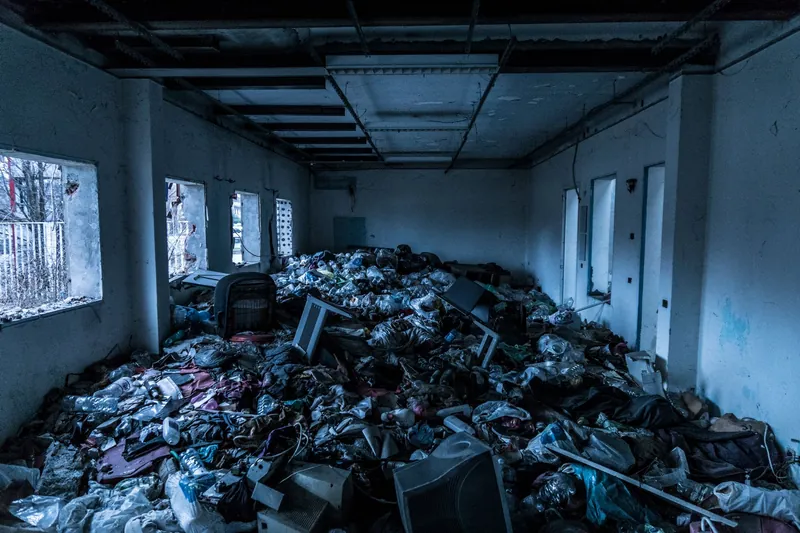
Respectful sorting, item removal and deep cleaning are included in hoarding cleanup.
See hoarding cleanupBegin by preventing access and wearing appropriate single-use gloves. Avoid vacuuming and sweeping feces that have dried. Remove solid waste without splashing, clean what you can see and apply an appropriate EPA-registered product to the undamaged hard surface exactly as its label states. Human feces removal by a professional is safer if the area is large, porous items are involved or risks are unknown.
The answer varies with how widely the liquid spread. A minor spot on top might be cleanable, but contamination absorbed into underlay or backing can be hard to address fully. Urine and fecal matter that repeatedly soak the area may extend to the subfloor. During assessment, materials that can be disinfected should be divided from those that need removal.
Infectious material may be present in certain bodily fluids, while any fluid could contain feces, blood or a different contaminant. The situation and fluid type determine the risk. Protect open cuts and your eyes, prevent direct skin contact and approach any unknown contaminant cautiously. A wide spill or fluid in porous material is a reason to seek professional cleanup.
Circumstances affect the risk, and urine alone does not receive the same treatment as blood. It could contain feces, germs or blood, and ongoing urine contamination may soak far into furniture or floor materials. Protect your hands with gloves for a limited spill. Call for assistance when contamination covers a large space, affects porous items or comes from an uncertain source.
Coverage may apply based on your policy and what caused the loss. A sudden covered event may be treated differently from routine cleaning, long-term neglect or maintenance. Contact your insurance company, describe what happened and ask about biohazard cleanup, the deductible, documentation and approval requirements before non-urgent removal begins.
The product directions and type of surface determine the proper cleaner. First take away the fecal matter and afterward clean any soil you can see. The EPA-registered disinfectant must be labeled for your surface and organism concern, with its directions for dilution, contact time and safety followed. Keep cleaners from being mixed, as the combination may release dangerous fumes.
You can request respectful, discreet bodily fluid cleanup 24 hours a day, and crews use unmarked vehicles.